

Have you ever wondered what happens when you’re taken into custody in Pueblo, Colorado? Understanding your rights and the legal process that follows is crucial.
If you’ve been arrested in Pueblo, CO, it’s essential to remain calm and know what to expect. You have the right to remain silent and to have a lawyer present during questioning.
The Pueblo County Detention Center has specific procedures for booking and initial appearance before a judge. Knowing these steps can help you navigate the system more effectively.
Key Takeaways
- Understand your rights when arrested in Pueblo, CO.
- Know the next steps after being taken into custody.
- Familiarize yourself with the Pueblo County Detention Center’s procedures.
- Exercise your right to remain silent and request a lawyer.
- Be prepared for the booking and initial appearance process.
Understanding the Arrest Process in Pueblo
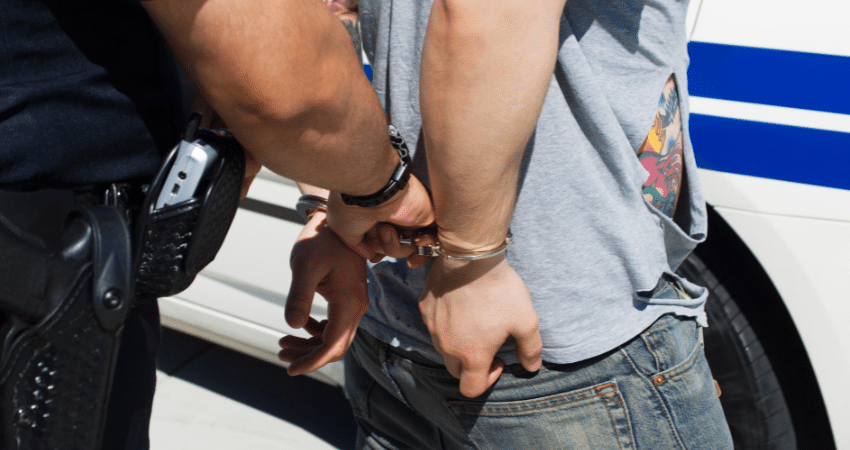
If you’ve been arrested in Pueblo, it’s vital to understand the legal grounds for your arrest. The arrest process involves several legal steps that are crucial for your defense. Knowing these steps can help you navigate the legal system more effectively.
Legal Basis for Arrests in Colorado
In Colorado, law enforcement officers must have a valid reason to arrest someone. This reason is typically based on probable cause, which means they must have sufficient evidence to believe you’ve committed a crime. The legal basis for an arrest can vary, but it often involves witnessing a crime, having evidence, or receiving a credible tip.
Understanding the legal basis for your arrest is crucial because it can impact your defense strategy. For instance, if the arrest was made without proper probable cause, your attorney might be able to challenge the legality of the arrest.
Types of Arrests: Warrant vs. Probable Cause
There are two primary types of arrests: those made with a warrant and those made without a warrant but based on probable cause. A warrant is a legal document issued by a judge or magistrate that authorizes law enforcement to arrest a specific individual. On the other hand, probable cause arrests occur when officers witness a crime or have immediate evidence of a crime being committed.
Knowing the difference between these types of arrests can help you understand your rights and the legal process you’re facing. For example, if you were arrested without a warrant, your attorney might investigate whether the probable cause was sufficient.
Immediate Steps to Take After Being Arrested
If you’ve been arrested in Pueblo, CO, knowing the immediate steps to take can significantly impact the outcome of your case. The moments following an arrest are critical, and your actions can influence the legal proceedings that follow.
Remaining Calm and Cooperative
When arrested, it’s vital to remain calm and cooperative with law enforcement officers. Avoid resisting arrest or becoming confrontational, as this can lead to additional charges. By staying calm, you can think more clearly and make better decisions.
What Information to Provide to Officers
You are required to provide basic identification information, such as your name and address, when asked by law enforcement. However, it’s crucial to understand your right to remain silent beyond providing this basic information. Avoid making statements that could be used against you later in court.
Making Your Initial Phone Call
After being arrested, you have the right to make an initial phone call. Use this opportunity to contact a family member, friend, or attorney who can begin arranging your legal representation. This initial call is a critical step in securing the help you need.
By following these immediate steps, you can better navigate the arrest process and set the stage for a more effective legal defense.
Your Constitutional Rights During an Arrest
Understanding your rights is essential when you’re arrested, as it can affect your legal journey. When you are arrested in Pueblo, CO, or anywhere else in the United States, you have certain constitutional rights that protect you from potential abuses of power.
Miranda Rights Explained
Miranda rights, also known as the Miranda warning, are a set of rights that law enforcement must recite to you upon arrest. These rights include the right to remain silent, the right to an attorney, and the right to have an attorney appointed if you cannot afford one. The purpose of Miranda rights is to ensure that you understand your constitutional protections.
Right to Remain Silent and Its Importance
The right to remain silent is a fundamental constitutional right that protects you from self-incrimination. When you are arrested, it’s crucial to invoke this right and avoid making statements that could be used against you in court. Remaining silent doesn’t mean you’re hiding information; it’s a legal right designed to protect your interests.
| Rights | Description | Importance |
|---|---|---|
| Right to Remain Silent | Protects you from self-incrimination | Prevents statements being used against you |
| Miranda Rights | Informs you of your constitutional rights | Ensures awareness of legal protections |
| Right to an Attorney | Provides legal representation | Guides you through the legal process |
Understanding and exercising your constitutional rights during an arrest can significantly impact the outcome of your case. By knowing what to expect and how to protect yourself, you can navigate the legal process more effectively.
What Happens After an Arrest in Pueblo, Colorado — Your Rights and Next Steps
After being arrested in Pueblo, Colorado, understanding the subsequent procedures can significantly impact your ability to navigate the legal system effectively. The process involves several key steps, starting with the booking process at the Pueblo County Detention Center.
The Booking Process at Pueblo County Detention Center
The booking process is a critical step following an arrest. It involves several procedures that are essential for your legal record.
Fingerprinting and Photographs
During booking, you will be fingerprinted and photographed. These records are crucial for your identification and are part of the official arrest record.
Personal Property Inventory
Your personal belongings will be inventoried and stored securely. It’s essential to understand that certain items may be confiscated, and you should be informed about the procedures for retrieving your belongings after release.
Health Screening
A health screening is conducted to identify any medical needs or concerns. This step is vital for ensuring your health and safety while in custody.
Initial Appearance Before a Judge
Following the booking process, you will have an initial appearance before a judge. This is a critical stage where the charges against you are formally presented, and your rights are reiterated.
As stated by the American Bar Association, “The initial appearance is a crucial step in the criminal justice process, as it ensures that the defendant is informed of the charges and their rights.”
During this appearance, the judge will inform you of the charges, your right to counsel, and your right to a preliminary hearing. It’s a pivotal moment in the legal process, and being prepared is essential.
Understanding what happens after an arrest in Pueblo, Colorado, can help you navigate the complex legal landscape. Knowing your rights and the procedures involved can significantly impact the outcome of your case.
Bail and Bond Options in Pueblo County
After an arrest in Pueblo County, understanding your bail and bond options is crucial for securing your release. The bail process can be complex, but knowing how it works is the first step towards navigating the legal system effectively.

How Bail Amounts Are Determined
The bail amount is typically determined by the court based on several factors, including the severity of the crime, your criminal history, and your ties to the community. A higher bail amount is usually set for more serious crimes or if you’re considered a flight risk. The judge may also consider your employment status, family ties, and previous record of appearing in court.
Working with Bail Bondsmen in Pueblo
If you can’t afford the bail amount set by the court, you may seek the help of a bail bondsman. Bail bond agents in Pueblo County provide a surety bond to the court, guaranteeing your appearance at future court dates. In exchange, you pay the bondsman a non-refundable fee, typically a percentage of the bail amount. It’s essential to understand the terms of the agreement before signing.
Conditions of Release
When you’re released on bail, you must comply with certain conditions of release. These may include regular check-ins with a pre-trial services officer, travel restrictions, or attending court hearings as scheduled. Violating these conditions can result in the revocation of your bail and return to custody.
Understanding your bail and bond options in Pueblo County is a critical part of your post-arrest steps. By knowing how bail amounts are determined, how to work with bail bondsmen, and the conditions of your release, you can navigate this challenging time more effectively.
Legal Representation: Your Right to an Attorney
If you’ve been arrested in Pueblo, knowing your options for legal representation can significantly impact your case. Understanding your right to an attorney is the first step in navigating the complexities of the legal system.
Public Defenders in Pueblo County
In Pueblo County, if you cannot afford a private attorney, you have the right to a public defender. Public defenders are experienced attorneys who provide legal representation to those who cannot afford it. They are knowledgeable about Colorado law and the local court system.
Benefits of public defenders include:
- Cost-effective, as their services are free or low-cost
- Familiarity with the local court system and judges
- Experience in handling various criminal cases
Hiring a Private Criminal Defense Attorney
While public defenders are a valuable resource, some individuals may prefer to hire a private criminal defense attorney. Private attorneys can offer more personalized attention and may have more flexibility in their approach to your case.
Questions to Ask When Selecting an Attorney
When choosing a private attorney, it’s essential to ask the right questions:
- What experience do you have with cases like mine?
- How will you communicate with me throughout my case?
- What are your fees, and what services are included?
Typical Legal Fees in Pueblo
Legal fees in Pueblo can vary significantly based on the complexity of the case, the attorney’s experience, and other factors. On average, you might expect to pay anywhere from $1,500 to $5,000 or more for legal representation.
It’s crucial to discuss fees upfront with your attorney to understand what you’re paying for.
The Court Process in Pueblo County
After an arrest in Pueblo, Colorado, understanding the court process is important for handling your case effectively. The court process includes several stages, from arraignment to trial, each with its own procedures and significance.
Arraignment Procedures
The arraignment is your first appearance before a judge, where you are formally advised of the charges against you and your rights. During this hearing, you will be asked to enter a plea. It’s essential to have legal representation at this stage to ensure your rights are protected.
Key elements of arraignment include:
- Notification of charges
- Advice on constitutional rights
- Entry of plea (guilty, not guilty, or no contest)
Pre-Trial Conferences and Motions
Pre-trial conferences are meetings between the prosecution and defense to discuss the case, potential plea bargains, and other matters. Motions are formal requests made to the court, which can include requests to suppress evidence or dismiss charges.
Effective pre-trial strategies can significantly impact the outcome of your case. Your attorney can file motions to challenge the prosecution’s evidence or negotiate with the prosecution during pre-trial conferences.
Trial Process in Pueblo Courts
The trial is where the prosecution and defense present their cases to a judge or jury. The trial process includes jury selection, opening statements, presentation of evidence, and closing arguments.
Jury Selection
Jury selection is a critical process where both sides question potential jurors to ensure a fair and impartial jury.
Courtroom Etiquette
Understanding courtroom etiquette is vital. This includes being respectful to the judge, court staff, and other participants. Dress appropriately and follow court rules to make a positive impression.
By understanding the court process in Pueblo County, you can better manage your case and make informed decisions with your attorney.
Potential Outcomes of Your Case
If you’ve been arrested in Pueblo, it’s essential to know what potential outcomes you might face. The legal process can be complex, and understanding the possible results can help you prepare for the future.
Plea Bargains and Negotiations
A plea bargain is an agreement between you and the prosecution where you agree to plead guilty to a lesser charge. This can reduce your sentence or minimize the charges. Plea negotiations are a crucial part of the criminal justice process, and having an experienced attorney can significantly impact the outcome.
Conviction Consequences
If you’re convicted, the consequences can be severe, including fines, probation, or imprisonment. The severity depends on the nature of the crime, your criminal history, and other factors. Understanding these potential consequences is vital for making informed decisions about your case.
Case Dismissal or Acquittal
In some cases, the charges against you may be dismissed, or you may be acquitted at trial. This means you’re found not guilty, and you won’t face the penalties associated with a conviction. A skilled attorney can work to achieve this outcome by building a strong defense.
Specialized Court Programs in Pueblo
Pueblo, Colorado, offers various specialized court programs designed to help individuals navigate the legal system more effectively after an arrest. These programs cater to specific needs, such as substance abuse or mental health issues, providing an alternative to traditional court proceedings.
Drug Court and DUI Court Options
Pueblo’s Drug Court and DUI Court programs are designed for individuals whose arrests are related to substance abuse or driving under the influence. These courts focus on rehabilitation rather than punishment, offering participants a chance to address their issues through:
- Intensive supervision
- Substance abuse treatment
- Regular court appearances
Successful completion of these programs can lead to reduced charges or sentences.
| Program | Focus | Benefits |
|---|---|---|
| Drug Court | Substance abuse treatment | Reduced sentences, rehabilitation |
| DUI Court | DUI offenses, substance abuse | Alternative sentencing, treatment |
Mental Health Court and Veterans Court
Pueblo also offers Mental Health Court and Veterans Court for individuals whose arrests stem from underlying mental health issues or military service-related challenges. These programs provide:
- Specialized treatment and support
- Court supervision tailored to the individual’s needs
- Access to resources for mental health or veterans’ issues
Participation in these courts can lead to more favorable outcomes, including dismissal of charges or reduced sentencing, by addressing the root causes of the legal issues.
Long-term Consequences of an Arrest Record
An arrest in Pueblo, CO, can have lasting effects on your life, extending far beyond the initial legal proceedings. Understanding these long-term consequences is crucial for handling the complexities of the legal system and mitigating potential future impacts.
Record Sealing and Expungement in Colorado
In Colorado, individuals with arrest records may be eligible for record sealing or expungement. Record sealing hides the record from public view, while expungement destroys the record. Eligibility depends on the nature of the offense and the outcome of the case. For instance, cases that are dismissed or result in acquittal are typically eligible for expungement.
| Eligibility Criteria | Record Sealing | Expungement |
|---|---|---|
| Dismissed Cases | Eligible | Eligible |
| Acquittal | Eligible | Eligible |
| Conviction | Not Eligible | Not Eligible |
Impact on Employment, Housing, and Civil Rights
An arrest record can significantly impact various aspects of your life. Employers often conduct background checks, and an arrest record can affect your chances of being hired. Similarly, landlords may use background checks to screen potential tenants, potentially limiting your housing options. Additionally, certain civil rights, such as the right to possess firearms, can be affected by an arrest record.
Understanding these implications and exploring options like record sealing or expungement can help mitigate the long-term consequences of an arrest in Pueblo, CO.
Arrested in Pueblo, CO? Conclusion
Being arrested in Pueblo, CO, can feel overwhelming, but understanding your rights and the legal process can make a significant difference in your case. Knowing the steps to take after an arrest allows you to respond calmly and effectively.
With the right guidance, you can manage the situation and make informed decisions that protect your interests. Staying proactive and well-informed helps you handle the legal process confidently and work toward the best possible outcome for your future.
If you or a loved one needs fast, reliable bail assistance in Pueblo, contact Dennis Blackwell Bail Bonds. Our experienced team is available 24/7 to provide guidance and secure release quickly, giving you peace of mind during a stressful time.
Arrested in Pueblo, CO? FAQs
What are my rights when I’m arrested in Pueblo, CO?
When you’re arrested in Pueblo, CO, you have the right to remain silent and the right to an attorney. You should provide your name and identification, but you are not required to answer other questions without a lawyer present.
What happens during the booking process at the Pueblo County Detention Center?
During the booking process, you’ll be fingerprinted, photographed, and your personal belongings will be taken. You’ll also be informed of the charges against you and given a court date for your initial appearance.
How is bail determined in Pueblo County?
Bail amounts are determined by the court based on the severity of the charges, your criminal history, and your flight risk. A bail bondsman can help you post bail if you can’t afford the full amount.
What is the difference between a public defender and a private criminal defense attorney?
A public defender is appointed by the court if you can’t afford an attorney, while a private criminal defense attorney is hired by you. Private attorneys may offer more personalized service and more courtroom experience.
What are my options if I’m not released on bail?
If you’re not released on bail, you’ll remain in custody until your trial. Your attorney can work with the court to potentially reduce your bail or negotiate a release on your own recognizance.